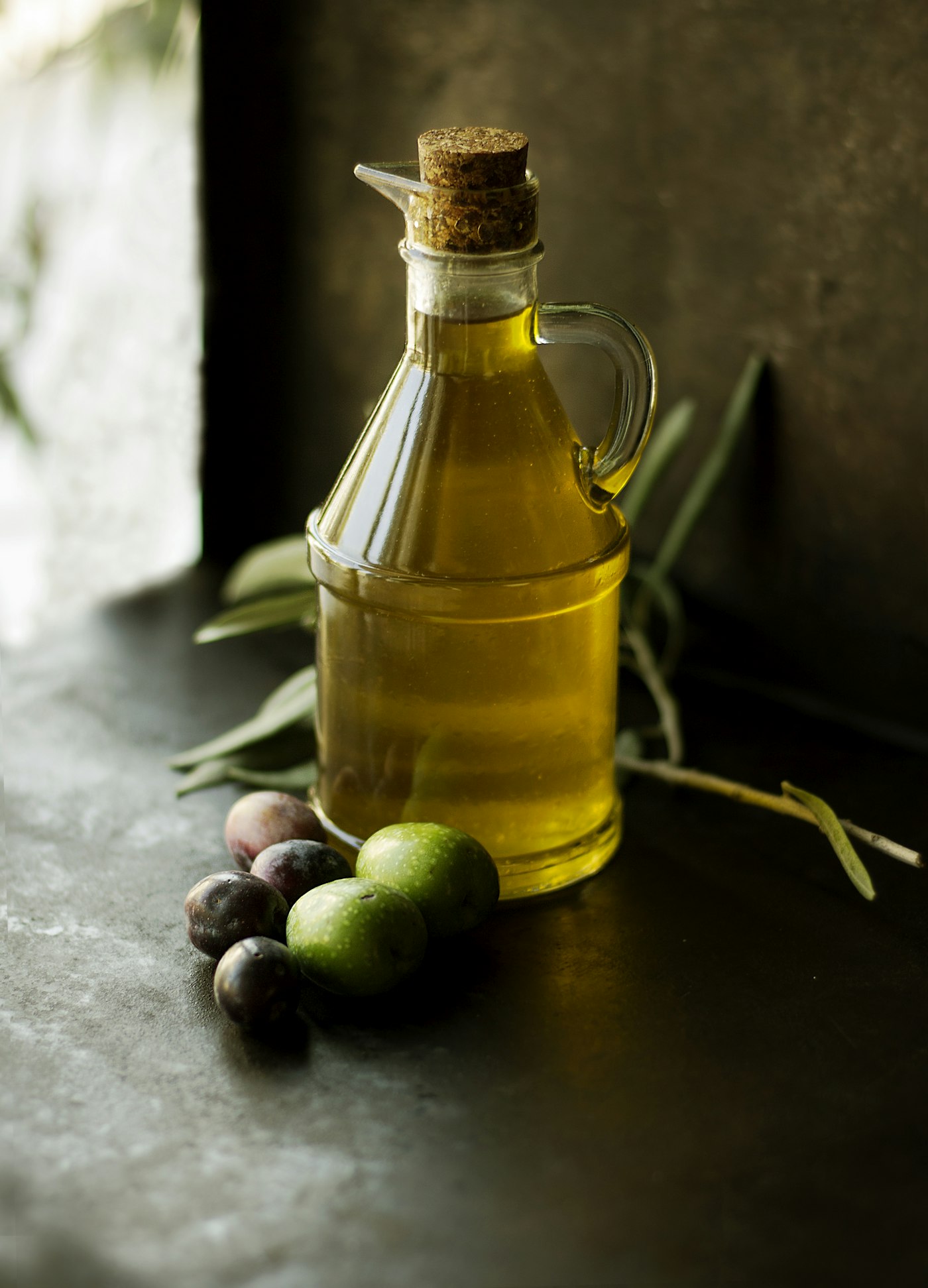
That amber tint isn't a quality marker. It's a warning. We break down exactly what happens during processing and why pure coconut oil should be white every single time.
The short version
- Fresh, unrefined coconut oil is white to ivory — never amber.
- Yellow means the oil was heated, refined, blended, or has gone off.
- Color is the fastest, cheapest quality check a customer can make.
What white actually means
Coconut oil is white because it is simply the fat pressed out of fresh coconut meat, clarified and filtered. Nothing is added, nothing is bleached. At room temperature it sets firm and opaque; warmed, it turns completely clear. Both states are neutral in color because the oil has not been through anything that alters it.
When you see a jar with a golden or amber cast, you are looking at a change in the fat itself. It is the single most reliable visual signal available to a buyer.
The four reasons oil goes yellow
The first is heat. Copra — dried rather than fresh coconut — is often cooked harder and longer to extract more yield, and the resulting oil carries color from that process. The second is refining: bleaching and deodorising are how industrial producers turn inconsistent raw material into something uniform.
The third is blending. Coconut oil is expensive; cheaper fats are not, and a percentage blend shows up in the color long before it shows up on the label. The fourth is age and poor storage. Oil exposed to light and heat oxidises, and that oxidation reads yellow-brown.
- Heat-dried copra instead of fresh coconut meat
- Refining, bleaching and deodorising
- Blending with cheaper fats
- Oxidation from heat, light and long storage
The color test you can do at home
Put a spoonful on a white plate and let it come to room temperature. Pure Go Glorious stays white or ivory with a faint sheen. Anything with a honey tint, a grey cast, or darker flecks in it has either been processed, blended or stored badly.
Smell it next. Fresh coconut oil smells like coconut — clean and slightly sweet. Off oil smells flat, waxy or faintly rancid, which no amount of cooking will hide.
Common questions
Is yellow coconut oil bad for you?
A yellow or amber tint does not automatically mean the oil is unsafe, but it is a strong sign the oil has been refined, heat-treated, blended or has oxidised. It also means the delicate aroma and flavor compounds have largely been destroyed.
Why does my coconut oil turn clear?
Coconut oil melts around 24°C. When your kitchen is warm the fat becomes a clear liquid, and it sets white again when it cools. That change in state is completely normal; a change in color is not.
Should coconut oil smell strongly of coconut?
Pure unrefined coconut oil has a clear, fresh coconut aroma — noticeable but not overpowering. If it smells of nothing at all, it has probably been deodorised.
Cook with the oil this article is about
Pure, unrefined coconut oil from Sierra Leone. White every time, no additives, no shortcuts.
Shop Go Glorious